


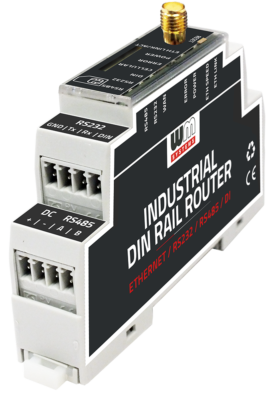
The fourth industrial revolution, or Industry 4.0, is redefining the landscape of industrial operations. Key to this transformation is the integration of smart IoT solutions. For industrial integrators and service providers, adopting these technologies is no longer a luxury but a necessity for staying competitive. This article explores the benefits of a particularly innovative product, the Industrial DIN Rail Router: a compact, standard, smart IoT device designed for Industry 4.0.
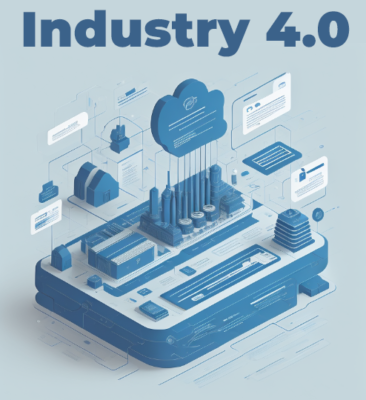
Industry 4.0’s success is heavily reliant on robust, adaptable connectivity solutions and smart data management. In this context, smart IoT devices play a pivotal role, and their effectiveness largely depends on their internet connectivity capabilities. Smart IoT devices, equipped with advanced internet modules, are central to this.
Our Industrial DIN Rail Router stands out in this area with its advanced connectivity options:
These connectivity options position our smart IoT device – the Industrial DIN Rail Router – as a versatile and future-proof solution for Industry 4.0 applications.
Whether it’s for high-density industrial environments, remote applications, or areas with challenging network conditions, this device ensures reliable, efficient, and cost-effective operations.
One of the primary considerations for industrial integrators is cost. The Industrial DIN Rail Router we’re discussing strikes the perfect balance between affordability and functionality. Its compact design reduces space requirements and installation costs, while its standardization simplifies integration with existing systems, reducing the need for costly customization.
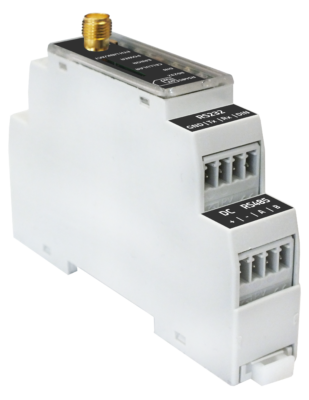
Our Industrial DIN Rail Router’s compact size belies its powerful capabilities. Designed to fit into standard configurations, it eases the process of upgrading existing systems or deploying new ones. This standardization is crucial for integrators looking to implement scalable and flexible solutions that can adapt to evolving industrial needs.
 |
 |
Seamless integration is key in Industry 4.0 environments. This device supports various interfaces and communication protocols, making it compatible with a wide range of industrial equipment. Its user-friendly operation means minimal training is required, translating into reduced operational costs.
As Industry 4.0 continues to evolve, so too must the technologies that support it. This Industrial DIN Rail Router is designed with future-readiness in mind, capable of accommodating updates and new functionalities as the industrial landscape changes.
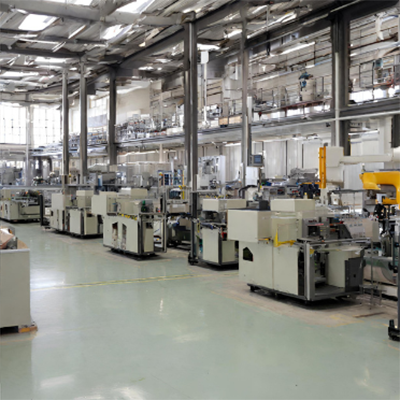
The Industrial DIN Rail Router is versatile, suitable for applications like industrial automation, smart metering, and smart grid management. For integrators and operators, this translates to a single solution that addresses multiple needs, streamlining operations and reducing the need for multiple specialized devices.
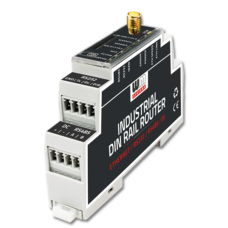
For industrial integrators and service providers, embracing Industry 4.0 is essential. The smart IoT device, the Industrial DIN Rail Router presented here is a testament to how innovative solutions can drive efficiency, reduce costs, and prepare for the future. It’s more than just a product; it’s a pathway to thriving in the new industrial era.
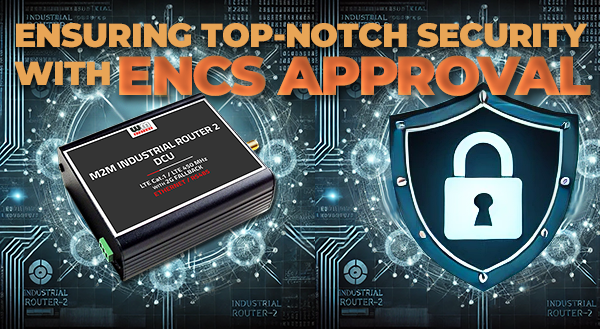
A Testament to Compliance with Key Cybersecurity Standards

We are thrilled to announce that Ali Mouslmani has joined WM Systems as our new partner in the United Arab […]
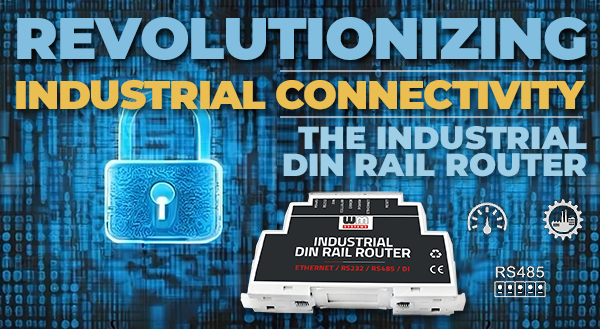
Introduction In the rapidly evolving world of industrial automation and IoT, the demand for compact, versatile, and efficient communication solutions […]
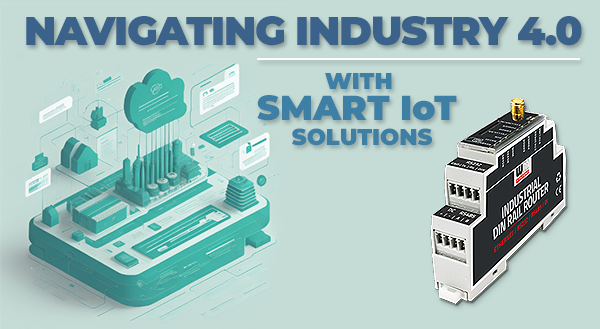
Introduction The fourth industrial revolution, or Industry 4.0, is redefining the landscape of industrial operations. Key to this transformation is […]

The group of WM Systems LLc.

Solar plants and farms are complex systems with a variety of equipment that needs to be monitored and controlled. This […]
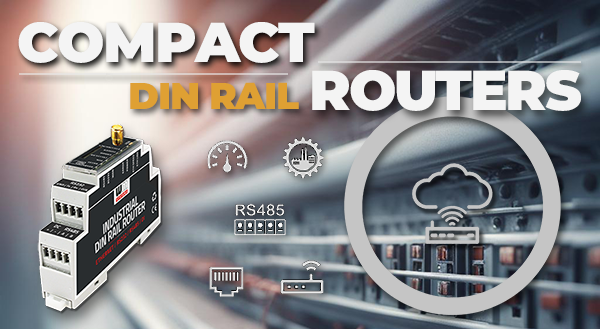
Industrial settings are replete with equipment that demands efficient connectivity solutions. With the rise of the Internet of Things (IoT) […]
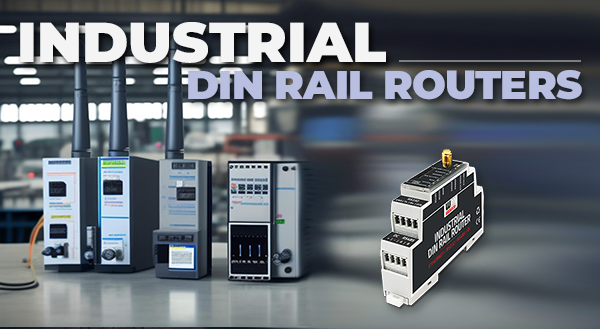
DIN-rail mountable industrial routers are an essential component of many industrial applications. They provide a reliable and secure way to […]

Make the modern smart grid more secure, resilient, and sustainable
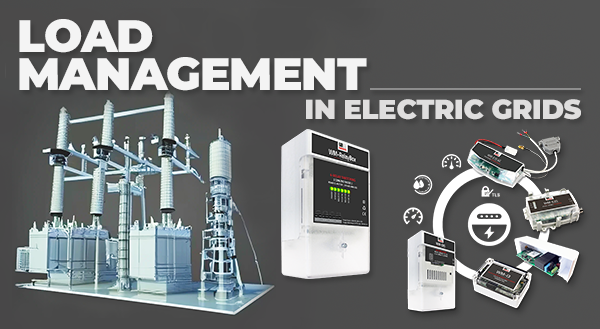
In today’s dynamic world, understanding the nuances of electrical energy management has never been more crucial. A distinct feature of […]
