


Industrial settings are replete with equipment that demands efficient connectivity solutions. With the rise of the Internet of Things (IoT) and the necessity of interconnected devices in various sectors, it has never been more crucial to have a reliable and compact solution.

Enter the DIN-rail mountable industrial router – a small but powerful piece of technology. This blog post delves into the importance of such routers and why they are becoming the choice for various industrial applications.
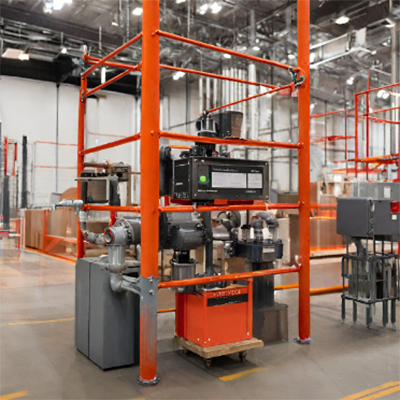
Size matters, especially when it comes to industrial equipment. Traditional routers, while effective, may not always be suited for environments that have space constraints. Here’s why small industrial routers, like our DIN-rail mountable version, are crucial:
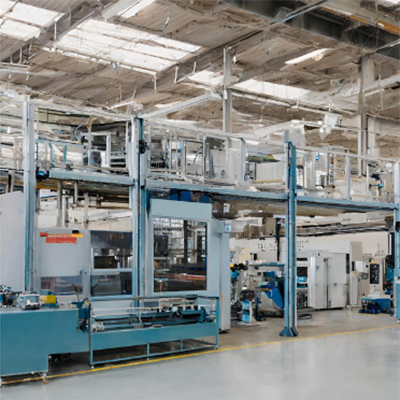
DIN-Rail mounting has been a standard in control cabinets for years. This system offers a secure and standardized method to attach various devices inside control cabinets. Here are the advantages:
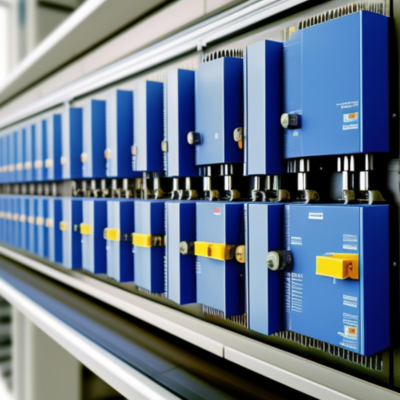
Another pivotal factor to consider in industrial routers is their power supply. Since these routers can be used in a variety of settings, including control cabinets, substations, and vehicles, they must support a DC power supply. Here’s why:
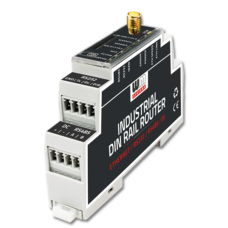 Our DIN-rail mountable industrial router stands as a testament to how technological innovations can be compact yet robust. Whether you’re dealing with a vast equipment rack or a minuscule space, this router ensures organized and efficient Ethernet cable connectivity.
In an era where industrial efficiency and reliability are paramount, opting for a router designed specifically for such demands is a wise investment. So, when considering network solutions for your industrial setting, remember the advantages that a compact DIN-rail router brings to the table. Make the switch and embrace a solution that is tailored for the modern industrial world.
A Testament to Compliance with Key Cybersecurity Standards

We are thrilled to announce that Ali Mouslmani has joined WM Systems as our new partner in the United Arab […]
Introduction In the rapidly evolving world of industrial automation and IoT, the demand for compact, versatile, and efficient communication solutions […]
Introduction The fourth industrial revolution, or Industry 4.0, is redefining the landscape of industrial operations. Key to this transformation is […]

The group of WM Systems LLc.

Solar plants and farms are complex systems with a variety of equipment that needs to be monitored and controlled. This […]
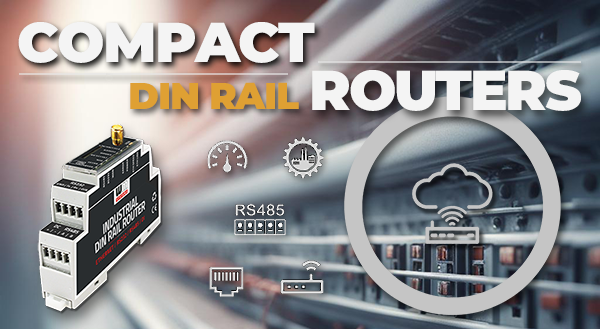
Industrial settings are replete with equipment that demands efficient connectivity solutions. With the rise of the Internet of Things (IoT) […]
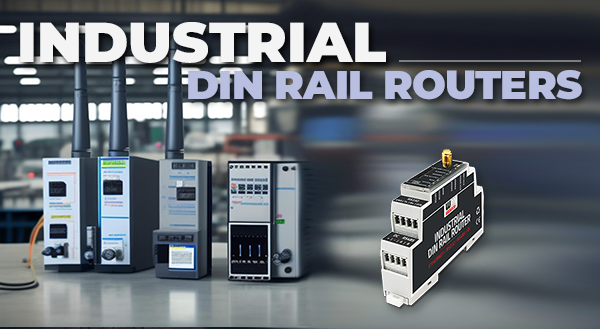
DIN-rail mountable industrial routers are an essential component of many industrial applications. They provide a reliable and secure way to […]

Make the modern smart grid more secure, resilient, and sustainable
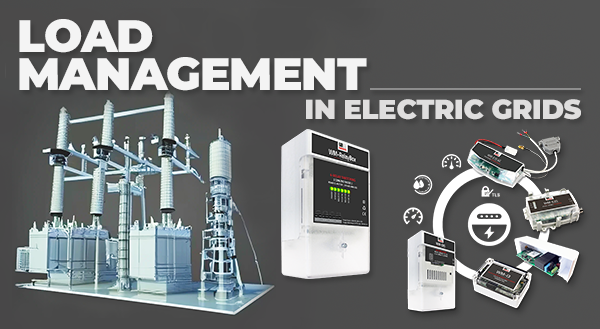
In today’s dynamic world, understanding the nuances of electrical energy management has never been more crucial. A distinct feature of […]
