


The global energy landscape is undergoing a significant transformation as the world moves towards cleaner, sustainable, and renewable energy sources. This change is necessitating innovative technological solutions to manage and control energy distribution, ensuring stability, efficiency, and sustainability. One such innovation is the introduction of remote control energy meters, specifically through our revolutionary Relay Box device.

The shift towards renewable energy plants, electric vehicles, and solar energy is no longer a futuristic concept. It’s happening now. While the transformation is vital for reducing carbon footprints and mitigating climate change, it also brings substantial challenges in managing energy supply and demand.
Traditionally, energy meters were simple devices that measured power consumption, forming the basis for electricity billing. However, today’s energy meters have taken on much greater responsibilities. Beyond just power measurement, they are now essential tools for power quality monitoring, control, scheduling analysis, and security monitoring.
The integration of variable renewable energy sources such as wind and solar creates a serious imbalance between demand and supply. It can result in sudden spikes or drops in power availability. Utilities must navigate this complex environment, ensuring that the demand matches the supply to prevent blackouts or excess energy wastage. The solution? Load control.

Load control allows utilities to remotely switch off appliances or devices in homes and businesses, aligning demand with available supply. Here’s how it benefits both utilities and consumers:
Many new smart meters are equipped with advanced features like bi-directional communication, multi-tariffs, and crucially, load control functions. These functions include remote control, power control, time control, fee control, and power preservation.
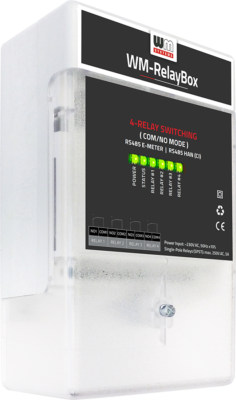
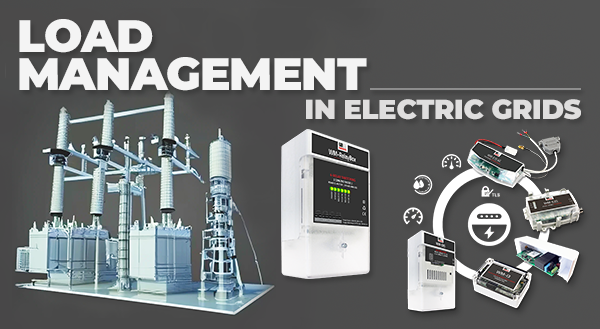
But what if you don’t want to invest in entirely new metering infrastructure? That’s where our Relay Box device comes into play. As a compact and cost-effective retrofit solution, the Relay Box connects to existing electricity meters via the RS485 port.
It operates on unidirectional DLMS/COSEM “push” commands and messages from the connected electricity meter, providing a simple and affordable way to upgrade your existing system. With its four relays, it is a significant advancement in intelligent management and control of power supply.
The transition to renewable energy is both a necessity and a challenge. The increasing complexity of energy systems necessitates intelligent control solutions that balance demand with ever-fluctuating supply.
Our Relay Box provides a timely solution, enhancing traditional energy meters with advanced load control functions without the need for expensive replacements. It’s a step towards a smarter, greener future where utilities and consumers alike can thrive in an era of renewable energy.
By leveraging the Relay Box, utilities can align with the current energy transition, taking control of load management, preserving the integrity of the grid, and contributing to a more sustainable world. It’s not just about measuring power anymore; it’s about controlling it intelligently.

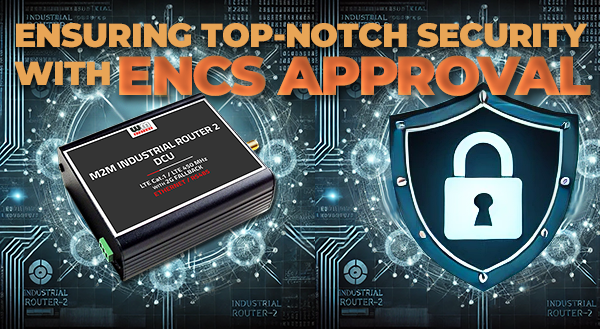
A Testament to Compliance with Key Cybersecurity Standards
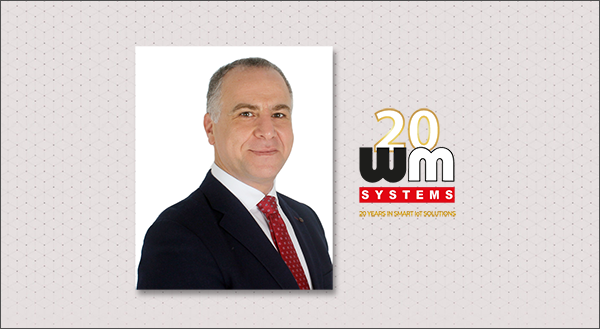
We are thrilled to announce that Ali Mouslmani has joined WM Systems as our new partner in the United Arab […]
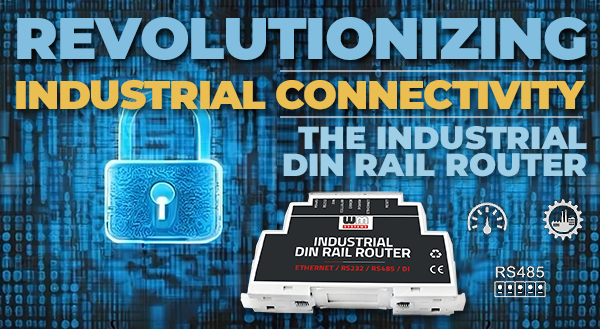
Introduction In the rapidly evolving world of industrial automation and IoT, the demand for compact, versatile, and efficient communication solutions […]
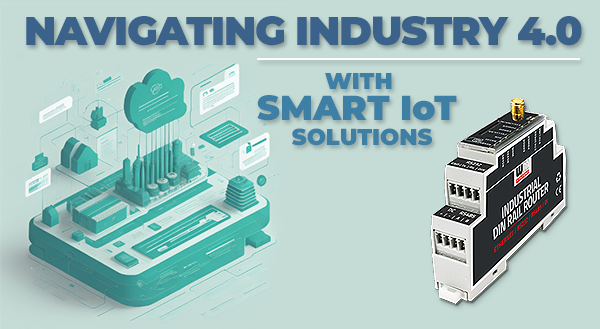
Introduction The fourth industrial revolution, or Industry 4.0, is redefining the landscape of industrial operations. Key to this transformation is […]

The group of WM Systems LLc.

Solar plants and farms are complex systems with a variety of equipment that needs to be monitored and controlled. This […]
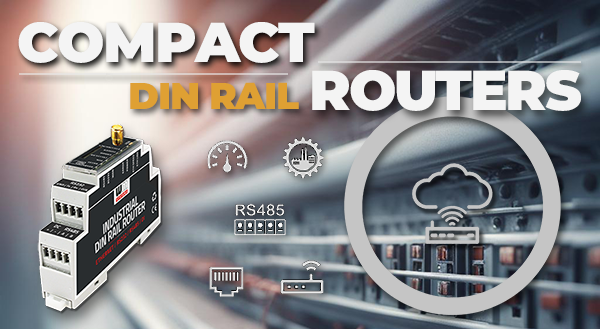
Industrial settings are replete with equipment that demands efficient connectivity solutions. With the rise of the Internet of Things (IoT) […]
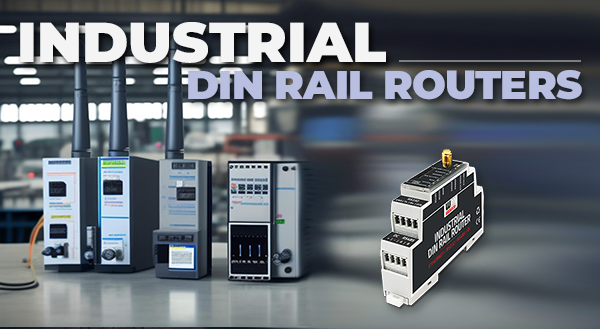
DIN-rail mountable industrial routers are an essential component of many industrial applications. They provide a reliable and secure way to […]
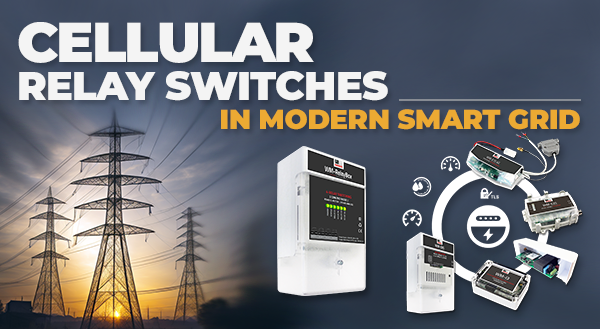
Make the modern smart grid more secure, resilient, and sustainable
In today’s dynamic world, understanding the nuances of electrical energy management has never been more crucial. A distinct feature of […]
